A strong, well-installed roof is one of the most important investments you can make in your property. Your roof protects your home from rain, wind, snow, extreme temperatures, and other environmental conditions. Over time, even a well-maintained roof can develop problems that require a complete replacement. Choosing a professional new roof installation service helps improve your home’s protection, energy efficiency, appearance, and long-term value.
Whether you are building a new home or replacing an aging roofing system, understanding the installation process can help you make informed decisions and select the right roofing materials for your property.
When Do You Need a New Roof Installation?
Knowing when to install a new roof can prevent costly structural damage and unexpected repairs. Although some roofing problems can be fixed with minor repairs, extensive damage may indicate that a complete roof replacement is necessary.
Here are some common signs that your home may need a new roof:
- Frequent Roof Leaks: Water stains on ceilings, damp insulation, and recurring leaks can indicate serious roofing problems.
- Missing or Damaged Shingles: Cracked, curled, loose, or missing shingles can expose the underlying roof structure to moisture.
- Roof Aging: Asphalt shingle roofs typically last around 20–30 years, depending on material quality, installation, and maintenance.
- Sagging Roof Areas: Visible dips or sagging sections may indicate structural problems that require professional attention.
- Granules in Gutters: Excessive shingle granules collecting in gutters can be a sign of roofing material deterioration.
- Increasing Energy Bills: Poor roof ventilation or damaged insulation can contribute to unwanted heat transfer and higher energy costs.
If you notice these warning signs, consider scheduling a professional roof inspection to determine whether repairs or a new roof installation are the better option.
Choosing the Right Roofing Material
Selecting suitable roofing materials is an important part of any new roof installation project. The right material should complement your home’s architectural style while providing reliable protection against local weather conditions.
Some popular roofing options include:
Asphalt Shingles
Asphalt shingles are one of the most common residential roofing materials because they are affordable, versatile, and available in different colors and styles. They offer dependable protection and can work well for many residential properties.
Metal Roofing
Metal roofing is known for its durability, lightweight construction, and resistance to many weather conditions. It can also reflect solar heat, potentially improving energy efficiency depending on the roofing system and insulation.
Architectural Shingles
Architectural shingles offer a thicker, dimensional appearance compared to traditional three-tab shingles. They are available in various designs and provide an attractive option for homeowners looking to improve their property’s exterior.
Slate Roofing
Slate roofing provides a distinctive natural appearance and can last for decades when properly installed and maintained. However, it is heavier and generally requires a higher initial investment and suitable structural support.
Before selecting a roofing material, discuss your budget, roof structure, maintenance expectations, and long-term goals with an experienced roofing contractor.
Understanding the New Roof Installation Process
A professional roofing installation involves several important steps. Following the correct process helps create a durable roofing system and reduces the risk of future problems.
1. Initial Roof Inspection
The project begins with a detailed inspection of the existing roof or roof structure. A roofing professional evaluates the decking, ventilation, flashing, drainage, and overall condition of the surface.
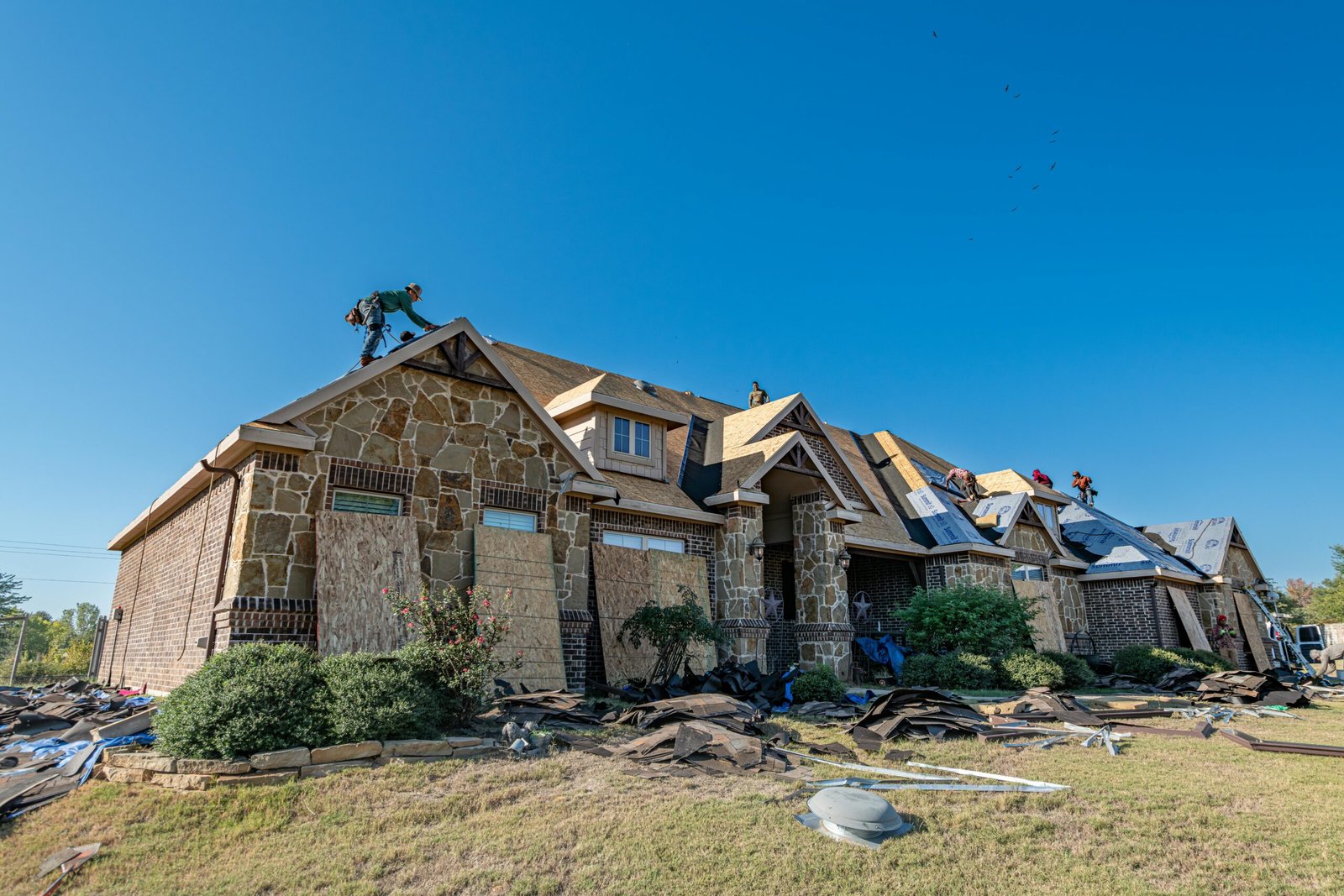
2. Removing Old Roofing Materials
For a roof replacement, damaged or outdated shingles and other existing materials are removed when necessary. This allows contractors to inspect the underlying roof decking for moisture damage, rot, or structural concerns.
3. Preparing the Roof Deck
A stable and properly prepared roof deck is essential for successful installation. Any damaged sections are repaired or replaced before new roofing materials are installed.
4. Installing Underlayment and Flashing
Roof underlayment provides an additional protective layer against moisture. Flashing is installed around vulnerable areas such as chimneys, vents, valleys, and skylights to help prevent water intrusion.
5. Installing New Roofing Materials
Once the preparation is complete, the roofing team installs the selected shingles, metal panels, or other roofing materials according to manufacturer specifications. Proper alignment, fastening, and installation techniques are essential for long-term performance.
6. Final Inspection and Cleanup
After installation, contractors inspect the completed roofing system, check flashing and ventilation details, and remove leftover materials. A final walkthrough helps confirm that the project meets the agreed specifications.
Benefits of Professional Roof Installation
Investing in professional new roof installation offers several advantages beyond improving your home’s appearance.
Better Home Protection: A properly installed roofing system helps protect your property against rain, wind, snow, and moisture-related damage.
Improved Energy Efficiency: Appropriate roofing materials, insulation, and ventilation can help regulate indoor temperatures and reduce unnecessary energy loss.
Increased Property Value: A new roof can improve curb appeal and make your property more attractive to potential buyers.
Fewer Unexpected Repairs: Replacing an extensively damaged roof can reduce the need for repeated repairs and help prevent additional problems caused by water intrusion.
Long-Term Reliability: Professional installation using quality materials and proper techniques can provide dependable performance for many years.
How Much Does a New Roof Installation Cost?
The cost of a new roof installation depends on several factors, including roof size, material selection, roof pitch, labor requirements, and the condition of the existing structure.
Additional expenses may include removing old roofing materials, repairing damaged decking, installing new flashing, improving ventilation, and replacing gutters if necessary.
To understand the expected investment, request a detailed roofing estimate. A professional contractor should explain the material options, labor costs, project timeline, and any additional work required before installation begins.
How to Choose a Reliable Roofing Contractor
Choosing the right contractor is just as important as selecting quality roofing materials. Look for a roofing company with relevant installation experience, proper licensing and insurance where required, and positive customer feedback.
Before hiring a contractor, consider these factors:
- Review previous roofing projects and customer testimonials.
- Ask about material warranties and workmanship guarantees.
- Request a written estimate with a clear breakdown of costs.
- Confirm the expected installation schedule.
- Discuss cleanup, property protection, and project safety.
- Make sure the contractor follows manufacturer installation guidelines and applicable building codes.
Clear communication and professional workmanship can make the entire roofing project more manageable.
Invest in a New Roof for Lasting Protection
A new roof installation is an important step toward protecting your home, improving its appearance, and maintaining its value. From selecting durable roofing materials to preparing the roof deck and completing the final inspection, every stage requires careful planning and professional attention.
Do not wait until recurring leaks or extensive roof damage affect your home’s interior. Work with an experienced roofing contractor to evaluate your property, explore suitable roofing options, and develop an installation plan that fits your needs and budget. A properly installed roof provides dependable protection and greater peace of mind for years to come.