A roof is one of the most important parts of any home. It protects your family, belongings, and the entire structure from rain, wind, snow, and harsh weather conditions. If your current roof has reached the end of its lifespan or you’re building a new home, investing in a new roof installation is a smart decision that improves safety, energy efficiency, and property value.
In this guide, we’ll explain what new roof installation involves, when you need it, the installation process, and how to choose the right roofing contractor.
What Is a New Roof Installation?
New roof installation is the process of installing a completely new roofing system on a home or commercial building. This may involve installing a roof on newly constructed property or replacing an old roofing system that can no longer be repaired.
Unlike simple roof repairs, a new installation includes multiple components such as the roof deck, underlayment, flashing, ventilation, and roofing materials to create a durable and weather-resistant roofing system.
Signs You Need a New Roof Installation
While minor roof damage can often be repaired, some situations require a full replacement. Here are common signs it’s time for a new roof:
- Roof is over 20–30 years old
- Missing, cracked, or curling shingles
- Frequent leaks after heavy rain
- Water stains on ceilings or walls
- Sagging roof structure
- Moss, mold, or algae growth
- High energy bills due to poor insulation
- Storm or hail damage affecting large sections
If you notice several of these warning signs, it’s best to schedule a professional roof inspection.
Benefits of Installing a New Roof
Improved Protection
A new roof provides reliable protection against rain, snow, wind, and extreme weather. Modern roofing systems are designed to withstand harsh environmental conditions and reduce the risk of leaks.
Better Energy Efficiency
Today’s roofing materials offer improved insulation and ventilation, helping maintain indoor temperatures throughout the year. This can reduce heating and cooling costs.
Increased Property Value
A new roof is one of the best home improvement investments. Buyers are more likely to purchase a home with a recently installed roof because it reduces future maintenance expenses.
Enhanced Curb Appeal
Replacing an old, worn-out roof instantly improves your home’s appearance. With various colors and materials available, you can match your home’s architectural style.
Lower Maintenance Costs
An aging roof often requires repeated repairs. Installing a new roofing system eliminates ongoing repair expenses and gives homeowners peace of mind.
Types of Roofing Materials
Choosing the right roofing material depends on your budget, climate, and design preferences.
Asphalt Shingles
Asphalt shingles are the most popular roofing option because they are affordable, durable, and available in many styles and colors. They typically last 20–30 years with proper maintenance.
Metal Roofing
Metal roofs are highly durable, energy-efficient, and resistant to fire, wind, and severe weather. They can last 40–70 years and require minimal maintenance.
Tile Roofing
Clay and concrete tiles offer exceptional durability and a unique appearance. They perform well in hot climates and can last over 50 years.
Slate Roofing
Slate is a premium roofing material known for its natural beauty and impressive lifespan, often exceeding 100 years. It requires professional installation due to its weight.
The New Roof Installation Process
Understanding the installation process helps homeowners know what to expect.
1. Roof Inspection
A roofing contractor evaluates the existing roof, identifies structural issues, and recommends the best roofing solution.
2. Material Selection
You’ll choose roofing materials, colors, and styles that fit your budget and complement your home’s exterior.
3. Removing the Old Roof
If replacing an existing roof, contractors remove old shingles, damaged underlayment, and other worn components.
4. Deck Inspection and Repairs
The roof decking is inspected for rot or structural damage. Damaged sections are repaired before installing new materials.
5. Installing Underlayment
A waterproof underlayment is installed to provide an additional layer of protection against moisture.
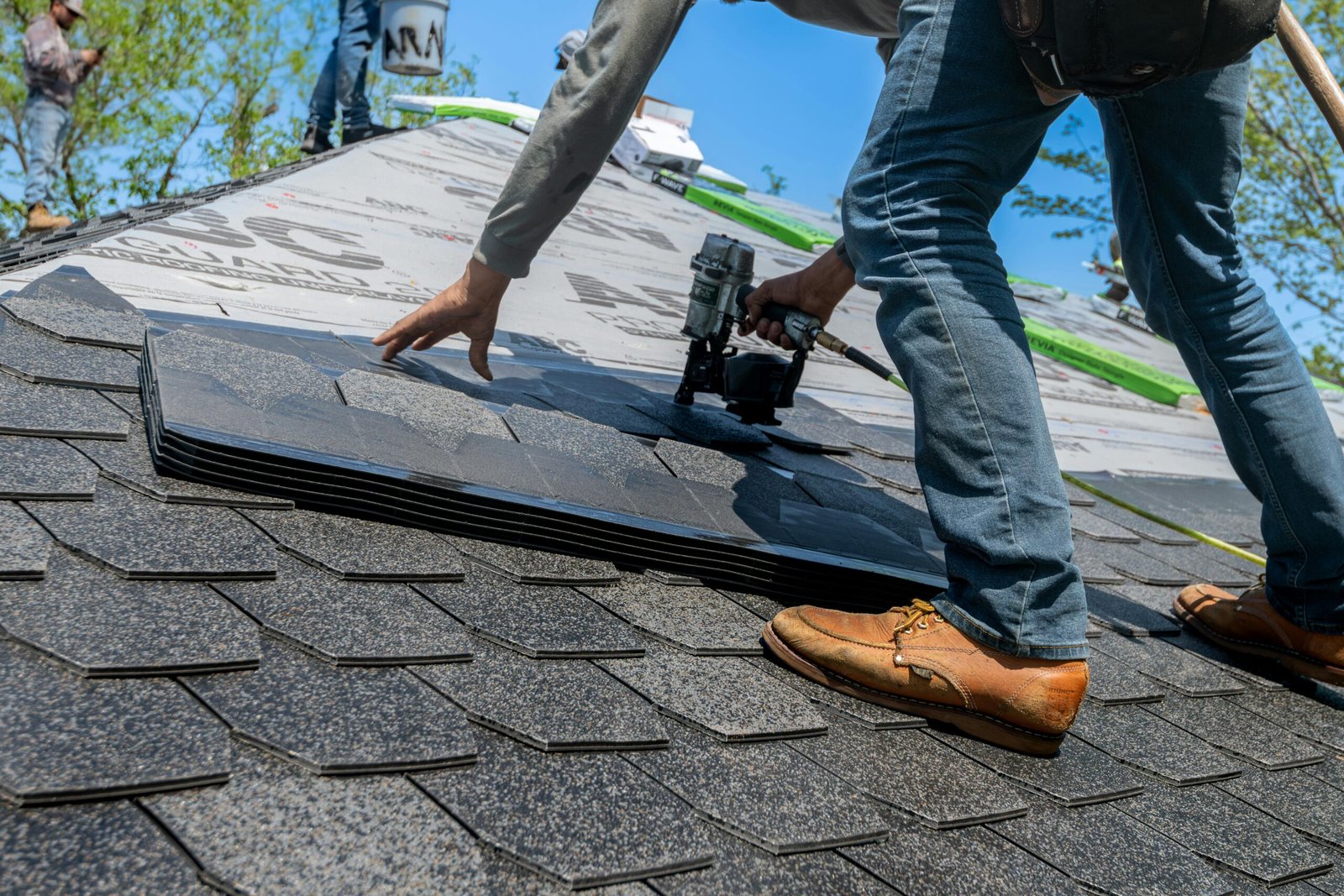
6. Installing Roofing Materials
Shingles, metal panels, tiles, or other roofing materials are carefully installed according to manufacturer guidelines.
7. Flashing and Ventilation
Proper flashing is installed around chimneys, vents, skylights, and roof valleys to prevent water intrusion. Adequate ventilation helps regulate attic temperature and moisture.
8. Final Inspection and Cleanup
The contractor performs a thorough inspection, removes construction debris, and ensures the roof meets quality standards.
How Long Does Roof Installation Take?
The timeline depends on several factors, including:
- Roof size
- Roofing material
- Weather conditions
- Roof complexity
- Structural repairs required
Most residential roof installations are completed within one to three days, while larger or more complex projects may take longer.
Choosing the Right Roofing Contractor
Hiring an experienced roofing company is essential for a successful installation.
Look for a contractor who offers:
- Licensed and insured services
- Years of roofing experience
- Positive customer reviews
- Written estimates
- Manufacturer warranties
- Workmanship guarantees
- High-quality roofing materials
Always ask questions before signing a contract and ensure everything is clearly documented.
Tips for Maintaining Your New Roof
Proper maintenance extends the life of your investment.
- Clean gutters regularly.
- Remove leaves and debris.
- Trim overhanging tree branches.
- Inspect your roof after severe storms.
- Schedule professional roof inspections every few years.
- Address minor issues before they become major problems.
Routine maintenance helps prevent costly repairs and keeps your roof performing at its best.
Conclusion
A new roof installation is one of the most valuable investments you can make for your home. It provides long-term protection, improves energy efficiency, enhances curb appeal, and increases property value. Whether you’re replacing an aging roof or installing one on a new construction project, choosing quality materials and hiring an experienced roofing contractor will ensure lasting results.
If your roof is showing signs of wear or has suffered significant storm damage, don’t wait for problems to get worse. Contact a trusted roofing professional today for a comprehensive inspection and expert guidance. With the right installation and regular maintenance, your new roof will protect your home and family for decades to come.