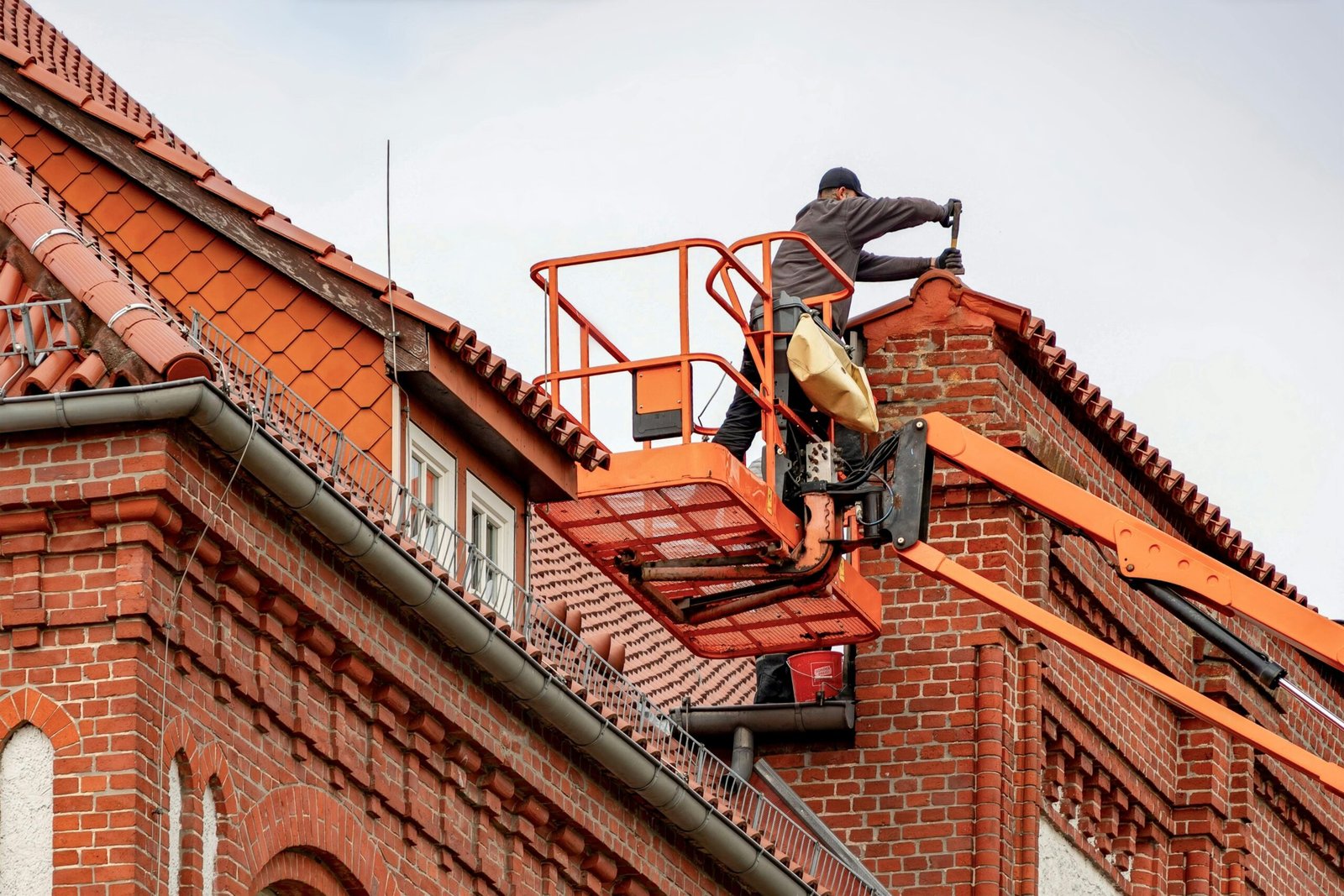
Your roof is one of the most important parts of your home. It protects your family, belongings, and the structure of your property from rain, wind, snow, and harsh sunlight. Over time, however, every roof reaches the end of its lifespan. When repairs are no longer enough, a roof replacement becomes the best solution to keep your home safe and maintain its value.
In this guide, we’ll explain the signs that indicate you need a roof replacement, the benefits of installing a new roof, and what you can expect during the replacement process.
What Is Roof Replacement?
Roof replacement involves removing the old roofing materials and installing a completely new roofing system. Unlike minor roof repairs that address isolated issues, a roof replacement provides a fresh start by replacing damaged shingles, underlayment, flashing, and other roofing components.
A new roof not only improves protection but also enhances the appearance and energy efficiency of your home.
Signs You Need a Roof Replacement
Knowing when to replace your roof can help prevent costly damage. Here are some common warning signs:
1. Your Roof Is More Than 20 Years Old
Most asphalt shingle roofs last between 20 and 30 years, depending on the quality of materials and local weather conditions. If your roof is nearing the end of its expected lifespan, it’s wise to schedule a professional inspection.
2. Missing or Damaged Shingles
Shingles that are cracked, curled, broken, or missing leave your roof vulnerable to water damage. If these issues are widespread, replacing the entire roof is often more cost-effective than making repeated repairs.
3. Water Leaks and Ceiling Stains
Water stains on ceilings or walls often indicate roof leaks. Persistent leaks can damage insulation, drywall, and wooden structures, leading to mold growth and expensive repairs.
4. Sagging Roof
A sagging roof may signal structural problems caused by prolonged moisture damage or weakened support systems. This is a serious issue that usually requires immediate roof replacement.
5. Granules in the Gutters
If you notice large amounts of shingle granules collecting in your gutters, your shingles may be deteriorating and losing their protective coating.
Benefits of Roof Replacement
Replacing your roof offers several long-term advantages.
Improved Protection
A new roof provides reliable protection against heavy rain, storms, high winds, and extreme temperatures. It reduces the risk of leaks and structural damage.
Better Energy Efficiency
Modern roofing materials are designed to reflect heat and improve insulation. This helps maintain comfortable indoor temperatures while reducing heating and cooling costs.
Increased Home Value
A new roof is one of the most valuable home improvements you can make. It boosts curb appeal and gives potential buyers confidence that the home has been well maintained.
Lower Maintenance Costs
Older roofs often require frequent repairs. A roof replacement eliminates recurring repair expenses and provides peace of mind for years to come.
Enhanced Appearance
A new roof instantly improves your home’s exterior. With a wide variety of colors, styles, and materials available, you can choose a look that complements your property.
Popular Roofing Materials
Homeowners have several roofing options depending on their budget and preferences.
Asphalt Shingles: Affordable, durable, and available in many styles. They remain the most popular roofing material in the United States.
Metal Roofing: Long-lasting, energy-efficient, and highly resistant to harsh weather. Metal roofs can last 40–70 years with proper maintenance.
Tile Roofing: Known for exceptional durability and an elegant appearance. Tile roofs are common in warmer climates but require strong structural support.
Slate Roofing: A premium roofing material that offers unmatched longevity and natural beauty, though it comes with a higher upfront cost.
What to Expect During Roof Replacement
The roof replacement process generally includes the following steps:
- Complete roof inspection
- Removal of old roofing materials
- Inspection and repair of roof decking if needed
- Installation of underlayment and moisture barriers
- Installation of new shingles or roofing material
- Flashing replacement around chimneys, vents, and valleys
- Final inspection and cleanup
Most residential roof replacements can be completed within one to three days, depending on the roof size, weather conditions, and project complexity.
How to Choose the Right Roofing Contractor
Hiring an experienced roofing contractor is essential for a successful roof replacement.
Look for a contractor who:
- Is licensed and insured
- Has positive customer reviews
- Offers written estimates
- Provides workmanship warranties
- Uses high-quality roofing materials
- Has experience with your preferred roofing system
Always ask questions before signing a contract and make sure you understand the project timeline and warranty coverage.
Roof Maintenance After Replacement
Even with a brand-new roof, regular maintenance helps maximize its lifespan.
Homeowners should:
- Clean gutters regularly
- Remove debris from the roof
- Inspect the roof after severe storms
- Trim tree branches hanging over the roof
- Schedule professional roof inspections every few years
Routine maintenance can help identify minor issues before they become expensive problems.
Final Thoughts
A roof replacement is a significant investment, but it offers lasting protection, improved energy efficiency, and increased property value. Whether your roof has reached the end of its lifespan or has suffered extensive storm damage, replacing it can prevent future repairs and provide long-term peace of mind.
If you’ve noticed leaks, damaged shingles, or signs of aging, don’t wait until the problem becomes worse. Contact a trusted roofing professional for a thorough inspection and discuss the best replacement options for your home. A quality roof replacement today can protect your family and your investment for decades to come.