
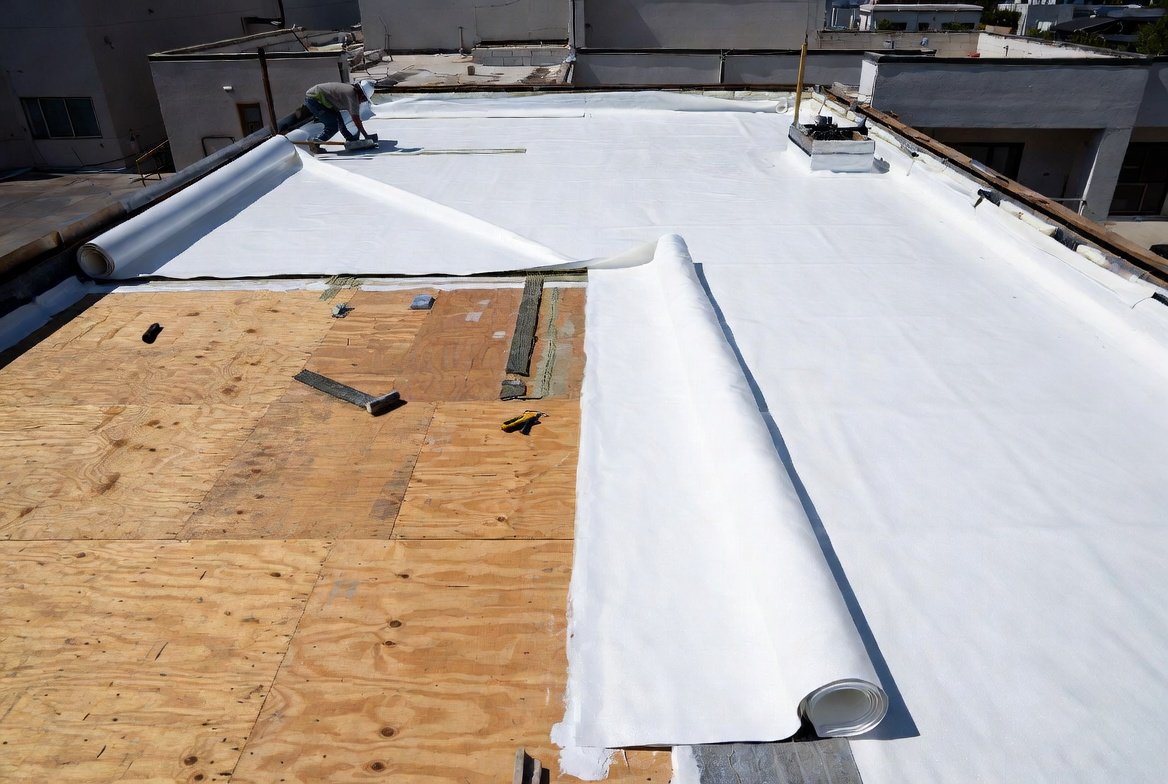
When planning a commercial or residential low-slope roofing project, many property owners ask: Can TPO be installed directly on plywood? The short answer is yes, but there are important conditions and installation requirements that must be followed to ensure durability, waterproofing, and long-term performance.
TPO roofing has become one of the most popular roofing systems because of its energy efficiency, affordability, and resistance to UV rays and weather damage. However, proper installation is critical, especially when plywood is involved as the roof decking material.
In this guide, we’ll explain whether TPO can be installed over plywood, the preparation steps required, installation methods, benefits, potential risks, and best practices for long-lasting results.
What Is TPO Roofing?
Before discussing plywood installation, it’s important to understand what TPO roofing is.
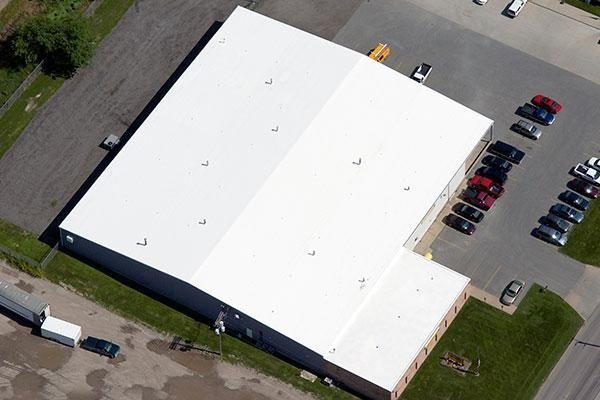
TPO stands for Thermoplastic Polyolefin, a single-ply roofing membrane commonly used on flat and low-slope roofs. It is known for:
- Heat-reflective properties
- Energy efficiency
- Flexibility
- Resistance to punctures
- UV protection
- Long lifespan
- Cost-effective installation
TPO membranes are typically available in white, gray, or tan colors and are installed using mechanical fastening, adhesives, or heat welding.
Why Direct Installation on Bare Plywood Is Risky
Although technically possible, placing TPO directly onto plywood may create several problems over time.
1. Moisture Damage
Plywood naturally absorbs moisture. If condensation or leaks occur beneath the membrane, the wood can swell, warp, or rot.
2. Surface Imperfections
Plywood joints, fasteners, and rough spots can eventually wear against the membrane and lead to punctures.
3. Reduced Energy Efficiency
Without insulation between the plywood and TPO membrane, the roofing system may lose energy-saving benefits.
4. Expansion and Contraction
Wood expands and contracts with temperature and humidity changes. This movement can stress the TPO membrane if no separation layer exists.
Recommended Layers Between TPO and Plywood
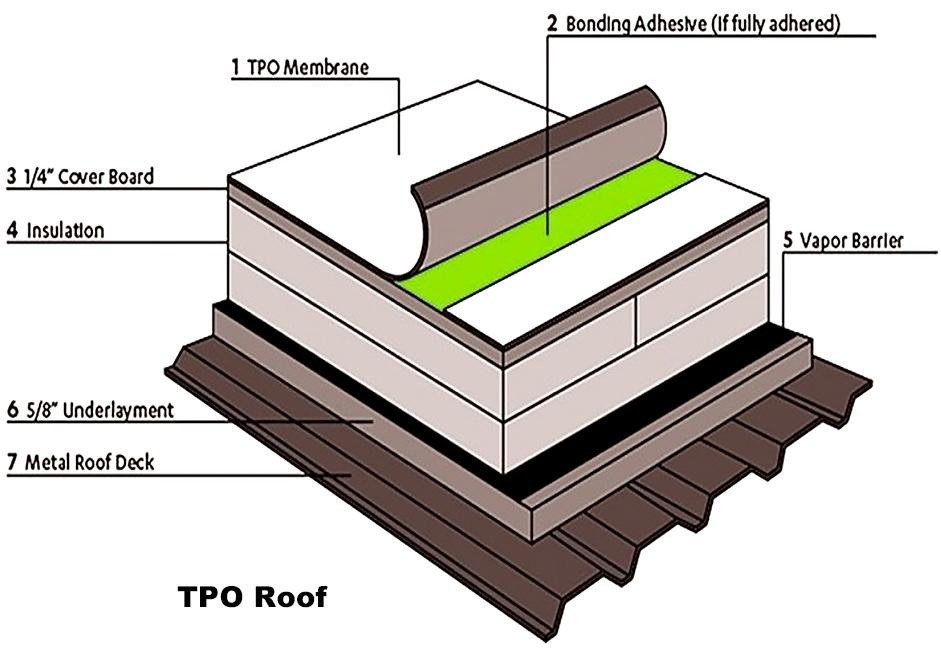
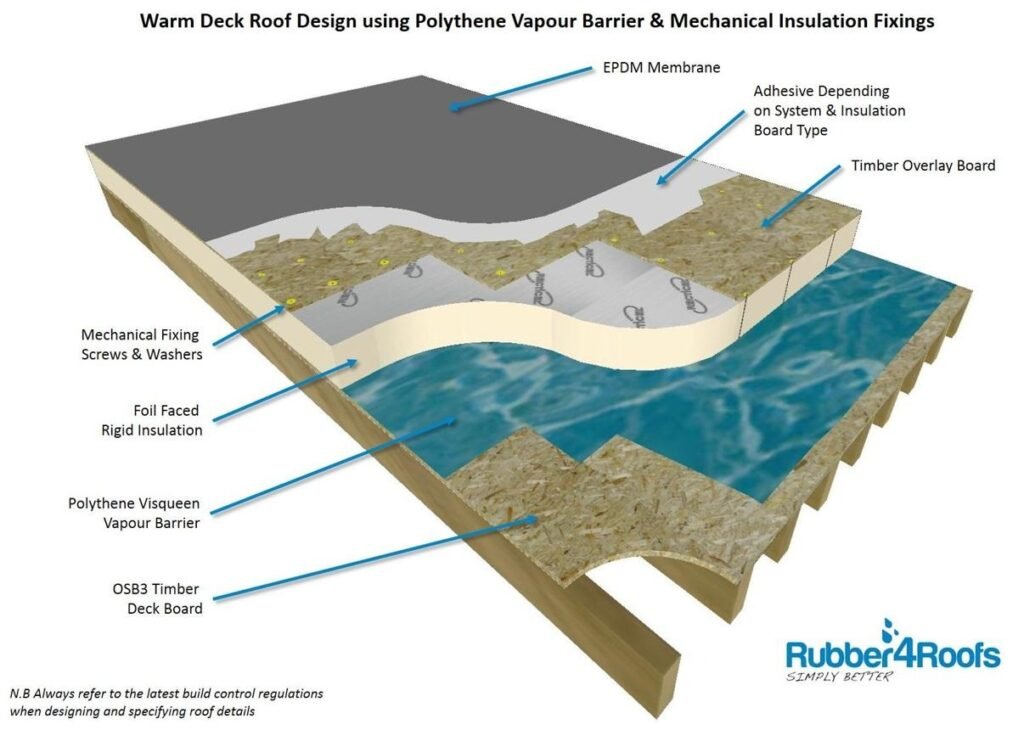
Professional roofing contractors usually install additional materials between plywood and the TPO membrane.
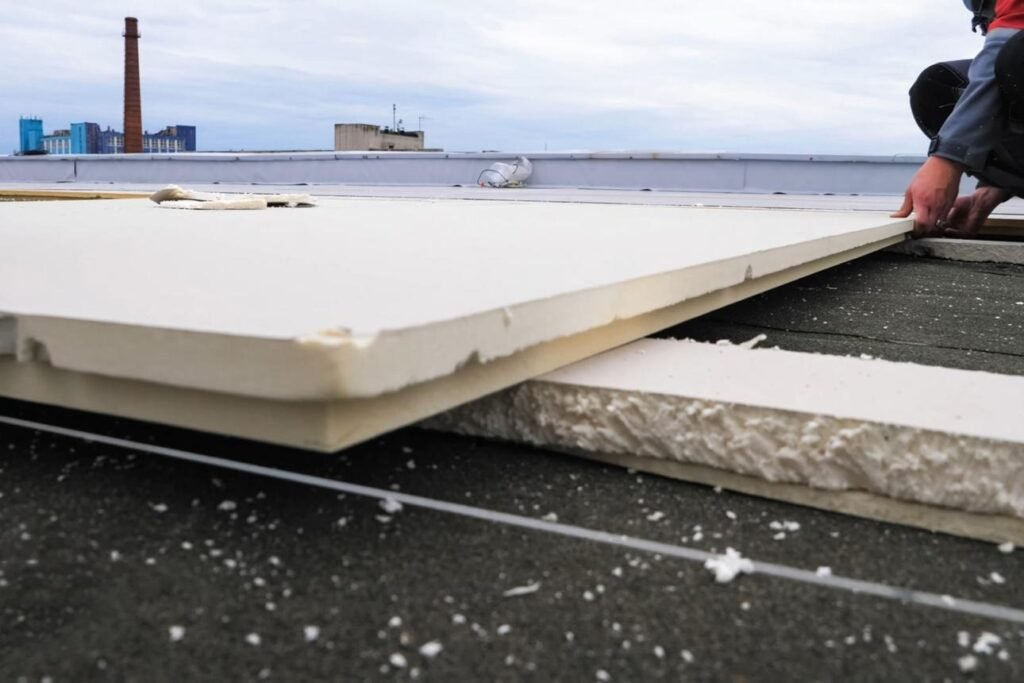
Cover Boards
Cover boards create a smoother and more durable surface. Common materials include:
- Gypsum board
- Fiberboard
- High-density polyiso board
These boards improve puncture resistance and membrane stability.
Insulation Boards
Rigid insulation boards are commonly added to improve thermal performance and energy efficiency.
Popular insulation options include:
- Polyiso insulation
- EPS insulation
- XPS insulation
Vapor Barriers
In humid climates, vapor barriers help prevent trapped moisture from damaging the roof deck.
Common Methods for Installing TPO Over Plywood
There are three primary methods used to install TPO roofing systems over plywood.
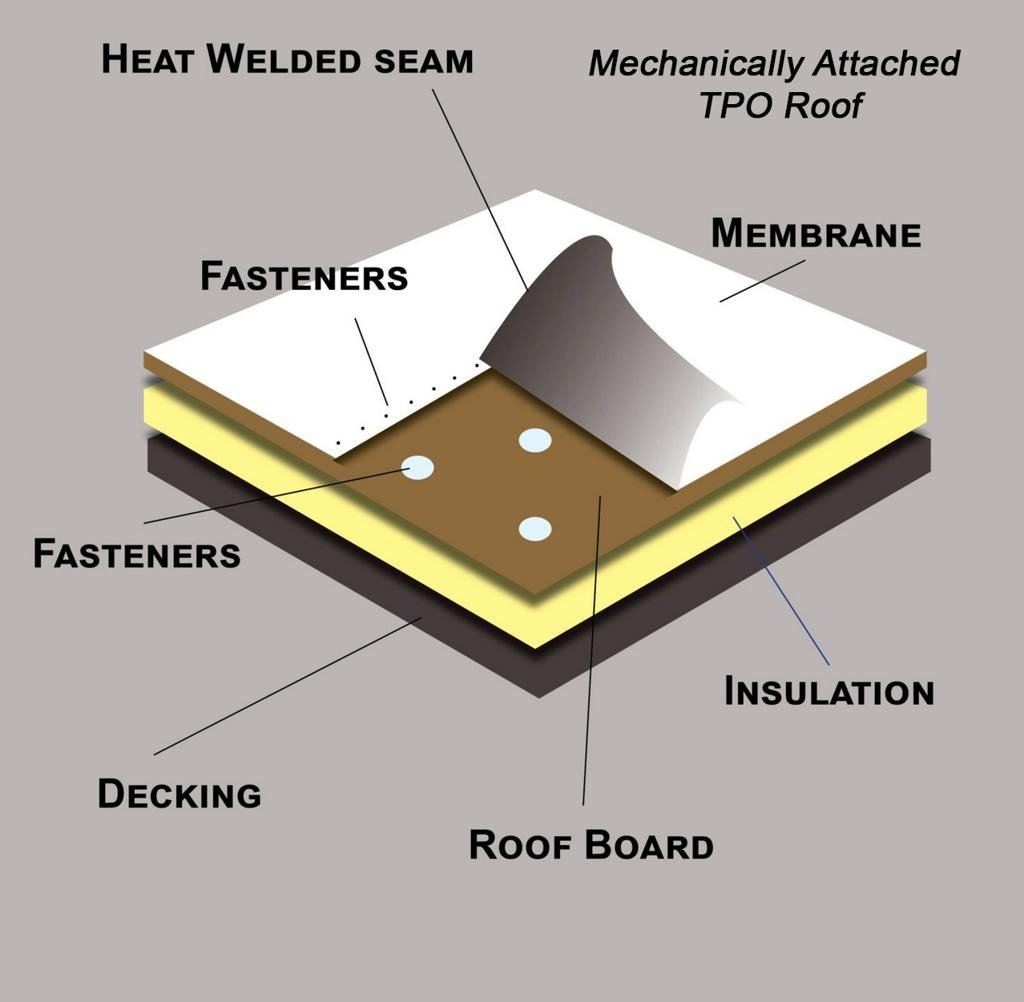
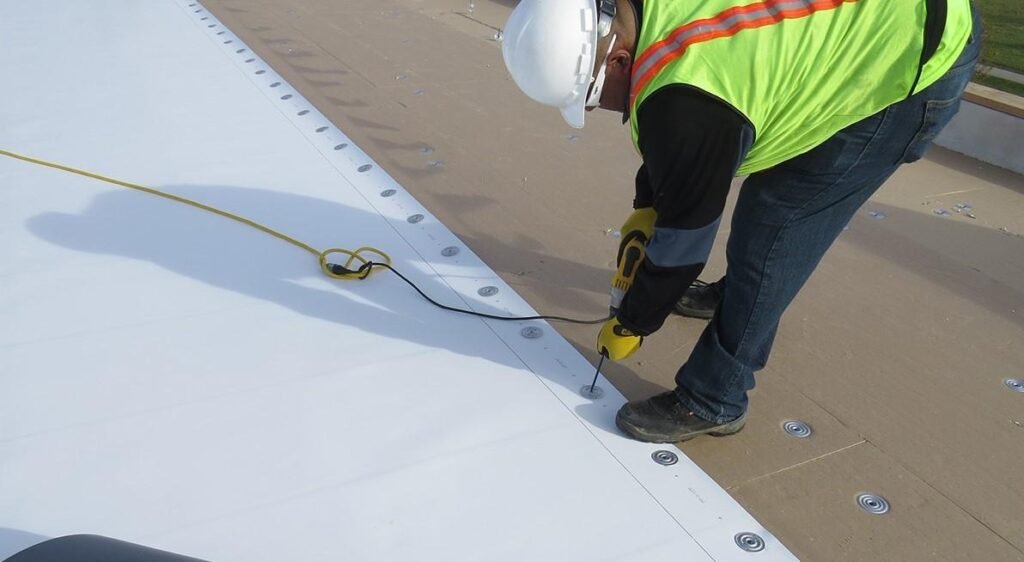
Mechanically Fastened System
This is one of the most common methods.
The membrane is secured using screws and plates attached through the insulation and into the plywood deck.
Benefits:
- Faster installation
- Lower labor costs
- Strong wind resistance
Best For:
- Commercial buildings
- Large flat roofs
Fully Adhered System
In this method, adhesive is used to bond the TPO membrane to the substrate or insulation board.
Benefits:
- Cleaner appearance
- Better uplift resistance
- Reduced membrane movement
Best For:
- High-wind areas
- Buildings requiring improved aesthetics
Ballasted System
This system uses rocks or pavers to hold the membrane in place.
However, ballasted systems are less common today because they add significant roof weight.
Steps for Installing TPO Over Plywood
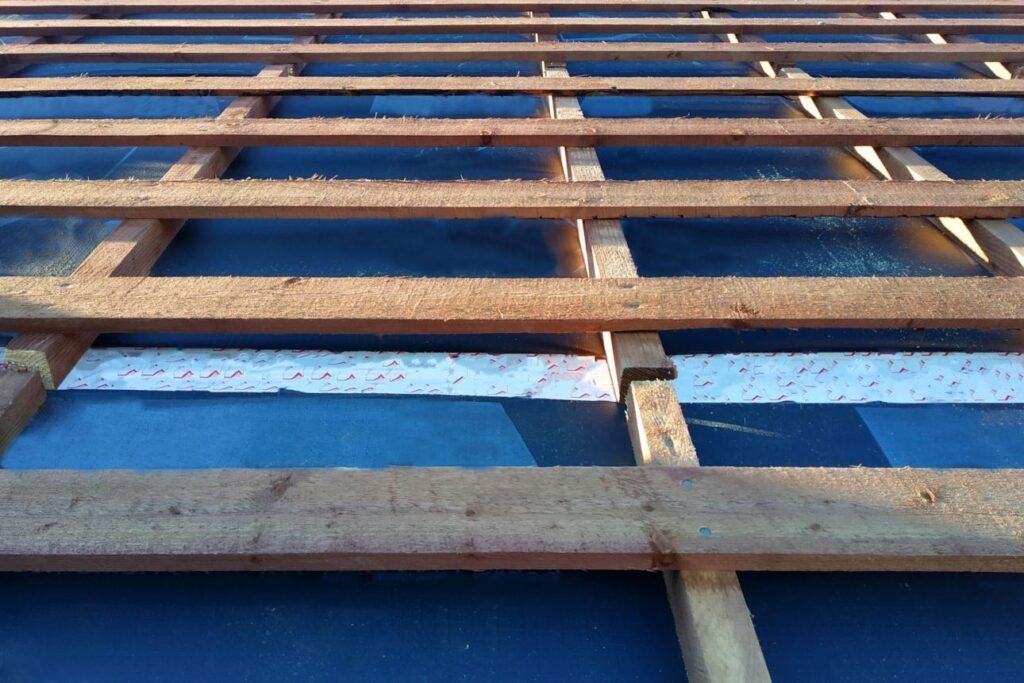
Proper installation is essential for preventing leaks and maximizing roof lifespan.
Step 1: Inspect the Plywood Deck
Contractors check for:
- Rot
- Moisture damage
- Weak areas
- Loose panels
- Uneven surfaces
Damaged plywood must be replaced before installation begins.
Step 2: Install Vapor Barrier (If Needed)
A vapor barrier may be added depending on climate conditions and building usage.
Step 3: Add Insulation or Cover Board
Rigid insulation boards or cover boards are installed over the plywood deck.
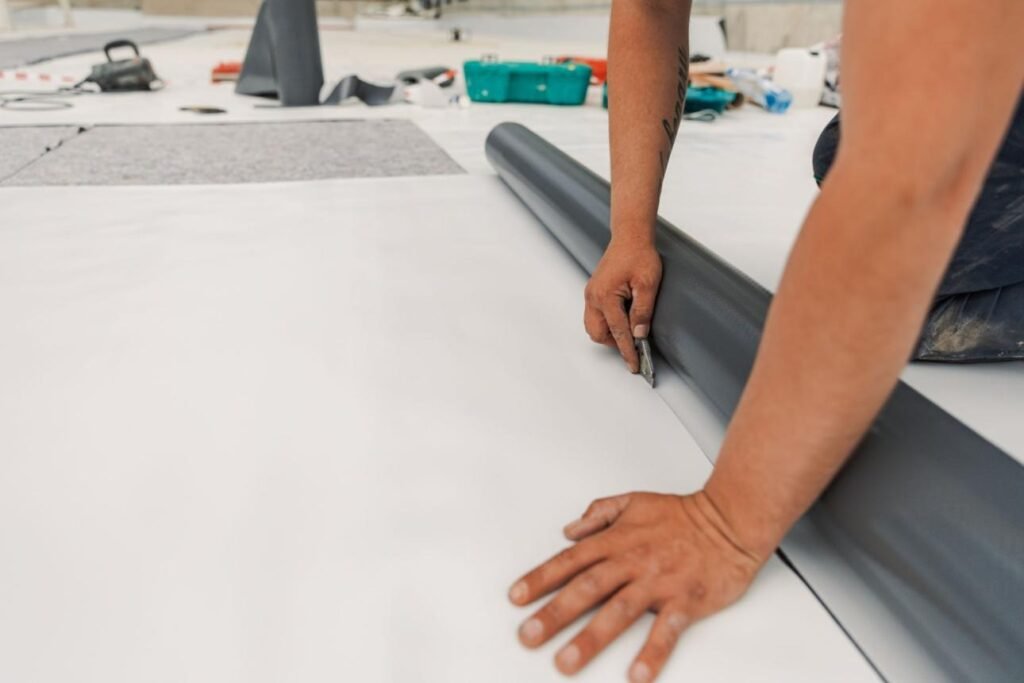
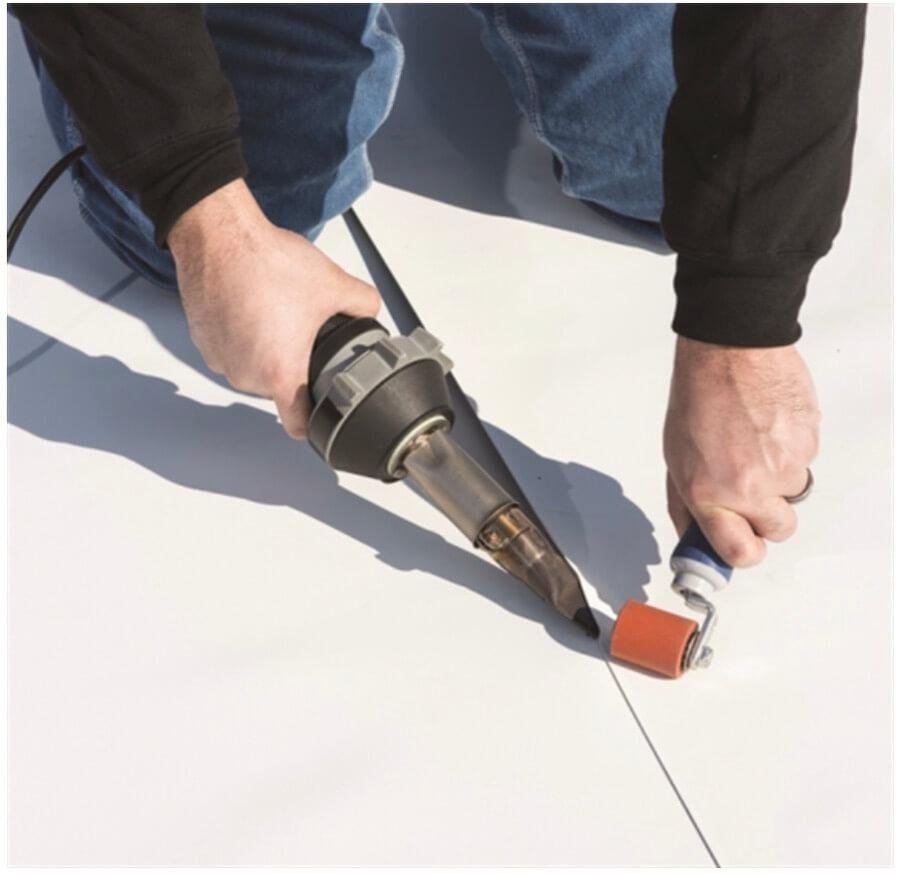
Step 4: Attach the TPO Membrane
The membrane is rolled out and secured using:
- Adhesives
- Mechanical fasteners
- Heat-welded seams
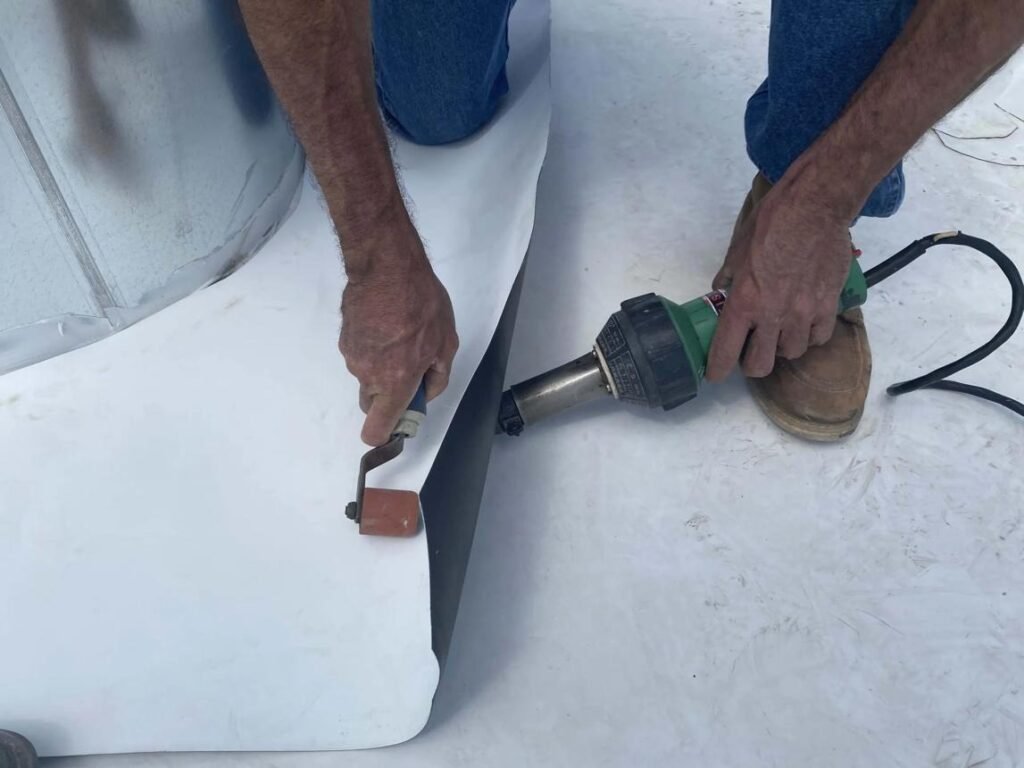
Step 5: Seal Seams and Flashings
Seams are heat welded to create a watertight roofing system.
Flashings are installed around:
- HVAC units
- Pipes
- Roof edges
- Drains
- Skylights
Benefits of Installing TPO Over Plywood
When properly installed, TPO roofing over plywood offers several advantages.
Energy Efficiency
White TPO membranes reflect sunlight and reduce heat absorption, helping lower cooling costs.
Lightweight Roofing System
TPO membranes are lightweight compared to traditional roofing materials.
Durability
TPO resists:
- UV rays
- Mold growth
- Dirt accumulation
- Chemical exposure
- Tears and punctures
Long Lifespan
A professionally installed TPO roof can last 20 to 30 years with regular maintenance.
Cost-Effective Solution
TPO roofing is often more affordable than PVC or EPDM systems.
Signs the Plywood Must Be Replaced First
Installing TPO over damaged plywood can lead to major roofing failures.
Watch for:
- Soft spots
- Sagging roof areas
- Water stains
- Delamination
- Mold growth
- Structural weakness
If these issues are present, the decking should be repaired or replaced before installation.
Can You Install TPO Over Existing Roofing Instead?
In some situations, TPO can be installed over an existing roof system rather than directly onto plywood.
This depends on:
- Local building codes
- Roof condition
- Moisture levels
- Weight limits
- Manufacturer guidelines
A roofing inspection is necessary to determine whether a roof overlay is appropriate.
Maintenance Tips for TPO Roofs
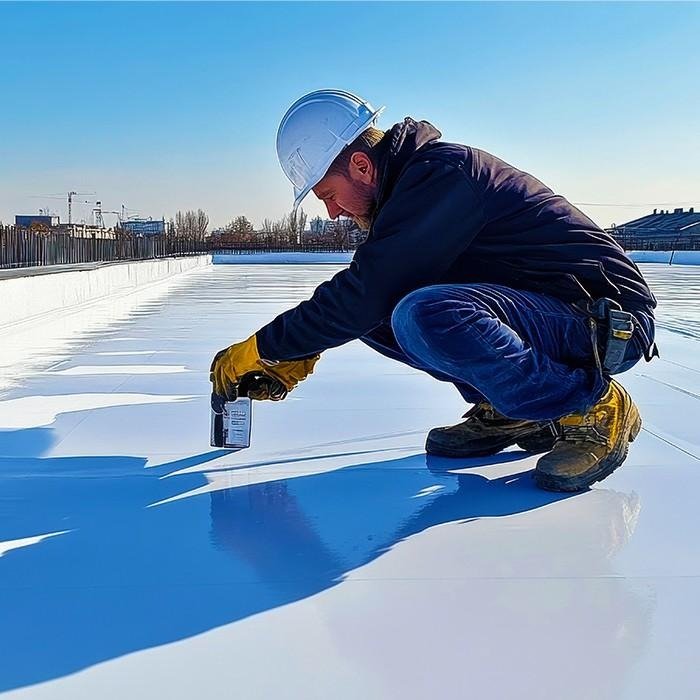
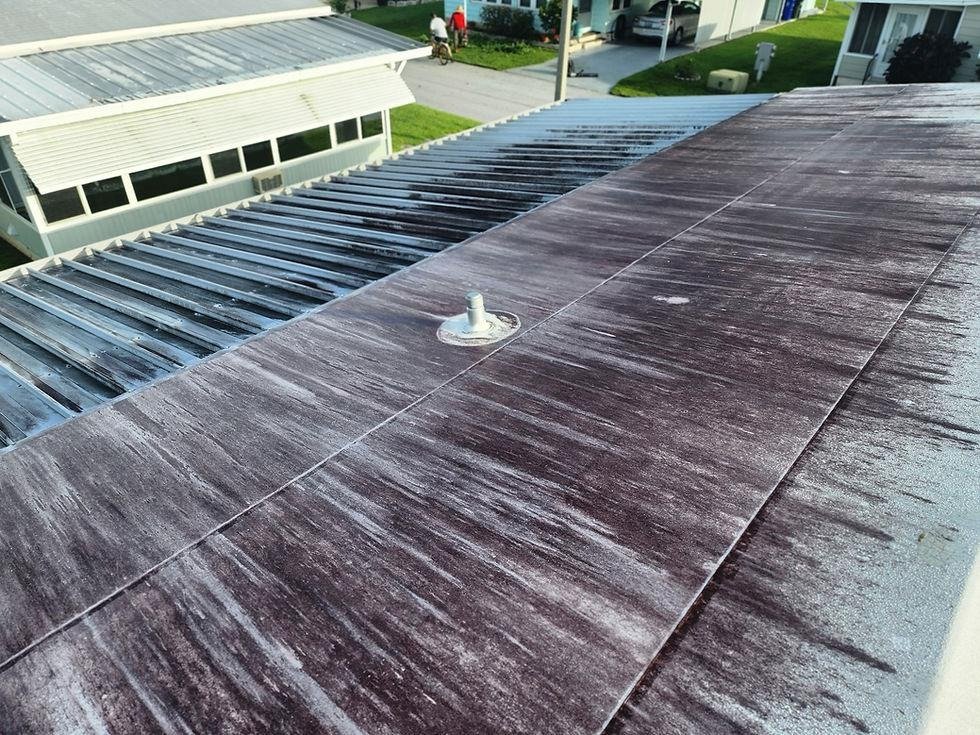
Proper maintenance helps maximize the life of a TPO roofing system.
Schedule Regular Inspections
Inspect the roof at least twice yearly and after major storms.
Keep the Surface Clean
Remove debris, dirt, and standing water regularly.
Check Seams and Flashings
Inspect welded seams and flashing details for signs of separation.
Address Repairs Quickly
Small punctures or seam issues should be repaired immediately to prevent water infiltration.
How Long Does TPO Roofing Last on Plywood?
A well-installed TPO roofing system over plywood can last:
- 20–30 years on average
- Longer with regular maintenance
- Shorter if installation quality is poor
Factors affecting lifespan include:
- Climate
- Roof traffic
- Installation quality
- Drainage
- Material thickness
Is TPO Better Than EPDM on Plywood?
Both roofing systems can be installed over plywood, but they have different strengths.
TPO Advantages
- Better energy efficiency
- Heat-welded seams
- Reflective surface
- Lower cooling costs
EPDM Advantages
- Strong weather resistance
- Simpler repairs
- Excellent cold-weather flexibility
The best option depends on your building type, climate, and budget.
Final Thoughts
So, can TPO be installed directly on plywood? Yes, it can, but professional preparation is essential for long-term success. Most roofing experts recommend installing insulation boards or cover boards between the plywood and TPO membrane to improve durability, moisture protection, and energy efficiency.
A properly installed TPO roofing system over plywood can provide decades of reliable protection while helping reduce energy costs and maintenance expenses. Before installation, always ensure the plywood decking is structurally sound, dry, and properly prepared.
Working with experienced roofing professionals is the best way to ensure your TPO roof performs efficiently and lasts for many years.
FAQs
Can TPO roofing be glued directly to plywood?
Yes, but most manufacturers recommend using a cover board or insulation layer for better performance and durability.
Does plywood need to be replaced before installing TPO?
Only if it shows signs of rot, moisture damage, or structural weakness.
What thickness plywood is best for TPO roofing?
Most roofing systems use plywood that meets local building codes, commonly ½-inch to ⅝-inch thick.
Is insulation required under TPO roofing?
While not always mandatory, insulation significantly improves energy efficiency and roof performance.
How much does TPO roofing cost?
Costs vary depending on roof size, insulation, labor, and membrane thickness, but TPO is generally considered one of the more affordable commercial roofing systems.